Emergency HVAC, Electrical, and Plumbing

Emergency service in Westside Los Angeles homes is about safety first, then repair. No cooling in a heat event, an active leak, a sewer backup, gas odor, a hot breaker, a burning smell, or a failed water heater can spread risk if the first steps are wrong.

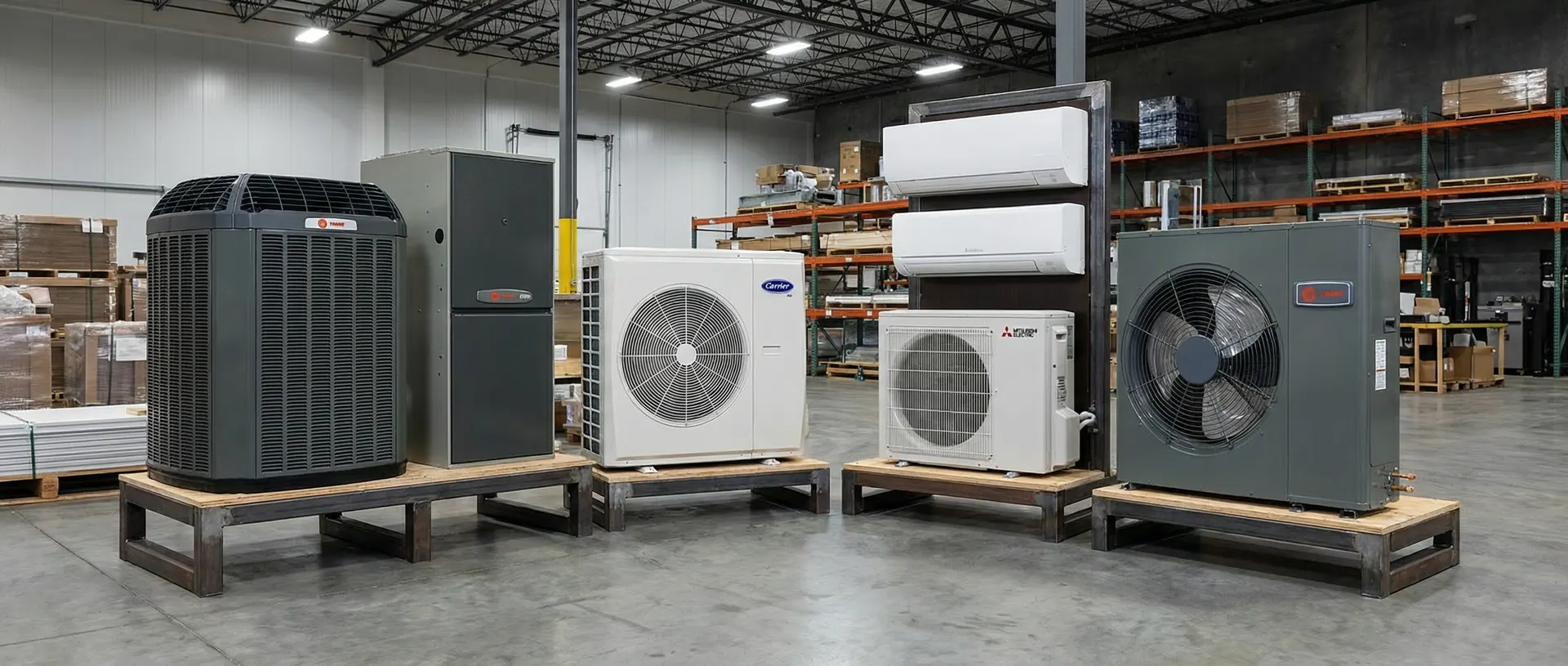
Premium HVAC system installation at a modern West Los Angeles home with outdoor condenser equipment

Emergency trade lanes

Choose the urgent symptom. If water and electrical overlap, treat the electrical condition as a safety risk and keep people away from wet equipment.

Emergency HVAC

no cooling during heat, water around air handlers, compressor failures, failed blower motors, frozen coils, AC breaker trips, and urgent comfort triage. Emergency triggers include heat illness risk, water near electrical parts, burning smell, repeated breaker trips, compressor failure, condensate overflow.

Open emergency page

Emergency Electrical Repair

burning smells, hot breakers, wet electrical equipment, partial power loss, buzzing panels, urgent make-safe work, and HVAC-related trips. Emergency triggers include fire hazard, shock hazard, hot breaker, wet electrical equipment, burning smell, HVAC circuit failure.

Open emergency page

Emergency Plumbing

active leaks, failed shutoffs, backups, water heater failures, gas odor routing, leak containment, and protection of high-value finishes. Emergency triggers include active flooding, sewer exposure, electrical contact, mold growth, failed shutoffs, floor or cabinet damage.

Open emergency page

First five minutes matter

Emergency service is faster when the first note is specific. Write what failed, when it started, whether water is active, whether breakers tripped, whether equipment is hot, whether a gas odor is present, whether vulnerable occupants are present, and whether a shutoff or panel is accessible. If the emergency involves Malibu gas or sewer context, SoCalGas, SCE, LA County, or a City of LA pocket, mention the address and utility clue clearly.

For HVAC, move vulnerable occupants to the coolest available space and turn off equipment if water or burning smell is present. For plumbing, close the local shutoff if safe, protect nearby areas, and avoid running fixtures into a blocked drain. For electrical, avoid repeated breaker resets and keep people away from wet panels, outlets, and cords.

Get the emergency window with the safety facts included.

Use the external booking URL and include photos, access, shutoff status, utility clues, and whether water, gas, heat, or electrical risk is active.

Homeowner Questions

Short answers for the questions that usually decide whether this is a repair, replacement, inspection, or emergency visit.

What should I do during a plumbing leak?

Close the nearest safe shutoff if you can, move belongings, avoid electrical areas, notify neighbors below, photograph the leak path, and book urgent plumbing service.

What should I do with burning electrical smell?

Do not keep resetting breakers. Turn off the affected circuit if safe, keep people away from wet or hot equipment, and book emergency electrical service.

What should I do if I smell gas?

Leave the area, avoid switches or flames, and call the gas utility from a safe location before arranging repair.

Discreet Westside service notes

These visible review bodies are kept in exact parity with the JSON-LD review schema on this page.

M. Shapiro Brentwood Park

We had hot rooms upstairs and a noisy old condenser. The assessment connected duct leakage, return air, equipment sizing, and quiet placement instead of pushing the most expensive model first.

R. Leung Trousdale Estates

The crew protected the floors, kept the roof work discreet, and documented the matched equipment. The final system is quieter and the rooms balance better than before.

C. Weiss Benedict Canyon

Our canyon access was the hard part. They planned the equipment path, line-set route, electrical review, and condensate drainage before the installation day, which avoided a messy surprise.

Design Call