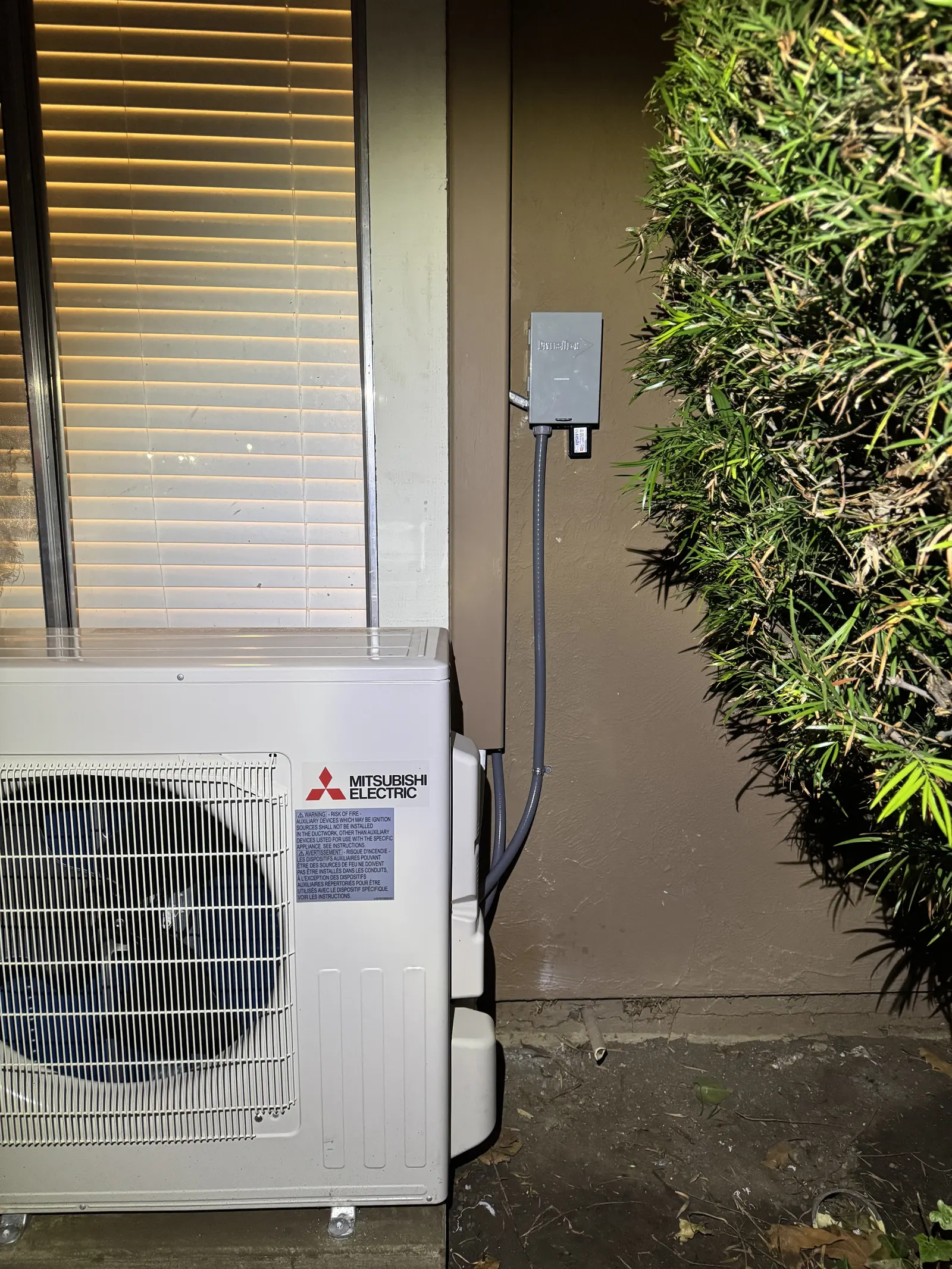
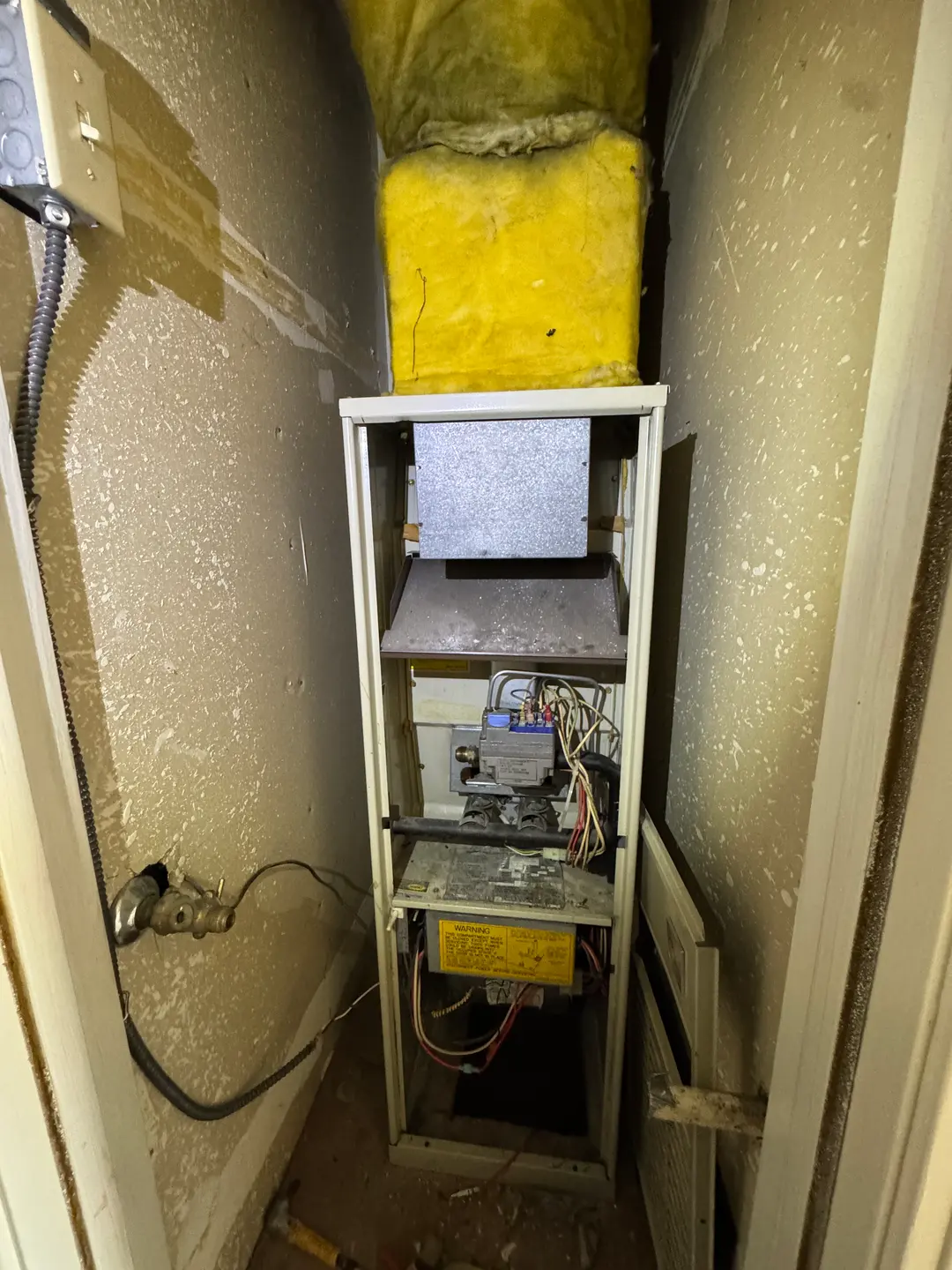
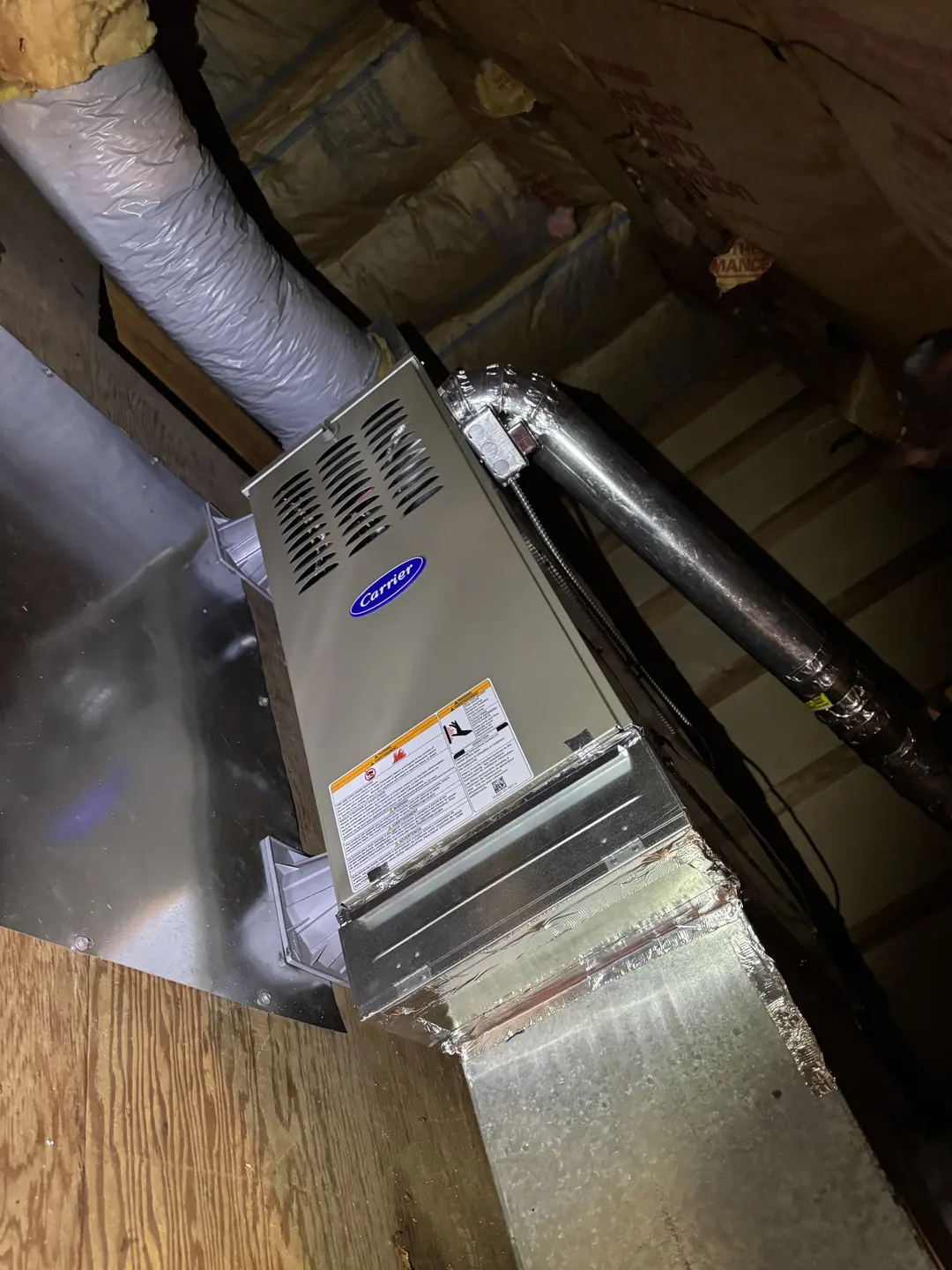
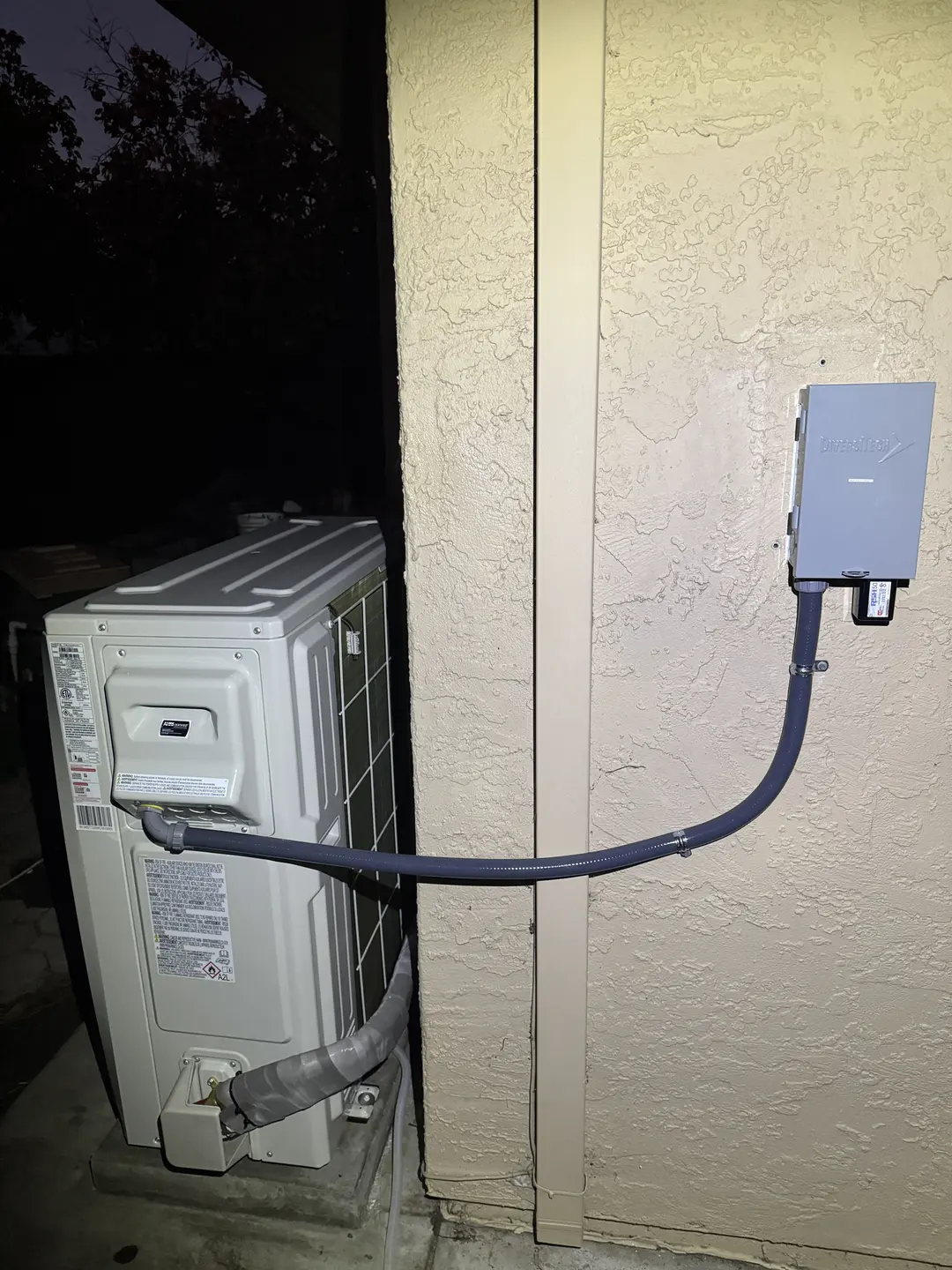
What AC replacement replacement looks like in Beverly Grove
Most AC replacement bids in Beverly Grove miss what the home is asking for. HVAC work on condos and small apartments requires HOA or property-manager access, attention to shared plumbing stacks, and a permit pathway that respects ladbs mechanical. Our scope is built for that.
Three details change hvac pricing in Beverly Grove more than equipment tier: parking restrictions, rooftop HVAC wear, and urban heat-island afternoons. AC Replacement that ignores any one of those tends to come back as a callback within 18 months. We surface those before signing.
Beverly Grove field profile
Beverly Grove reference points: Beverly Grove, Beverly Center, La Cienega Boulevard, 3rd Street. Building mix on the block: condos, small apartments, single-family homes, retail-adjacent buildings, rooftop/package equipment. Access constraints we plan for: parking restrictions, HOA or property-manager access, roof access, elevator timing, panel-room coordination. Risks we measure for: rooftop HVAC wear, shared plumbing stacks, panel capacity limits, water heater closets, tenant emergency coordination. Seasonal operating context: urban heat-island afternoons, older apartment airflow complaints, freeway and boulevard dust, marine-layer mornings, wildfire-smoke filtration demand. Permit jurisdiction: City of Los Angeles Westside and Wilshire-Pico corridor addresses, with Beverly Hills, Culver City, or West Hollywood boundary checks by exact parcel. Utility context: Pico-Robertson, Carthay, Beverly Grove, Beverlywood, Century City, and Mid-Wilshire addresses are typically City of Los Angeles or nearby incorporated-city addresses; LADWP electric and water, SoCalGas gas-appliance context, SCE edge cases, and Beverly Hills or Culver City boundaries should be verified by exact address.
Why the equipment swap is rarely the whole job
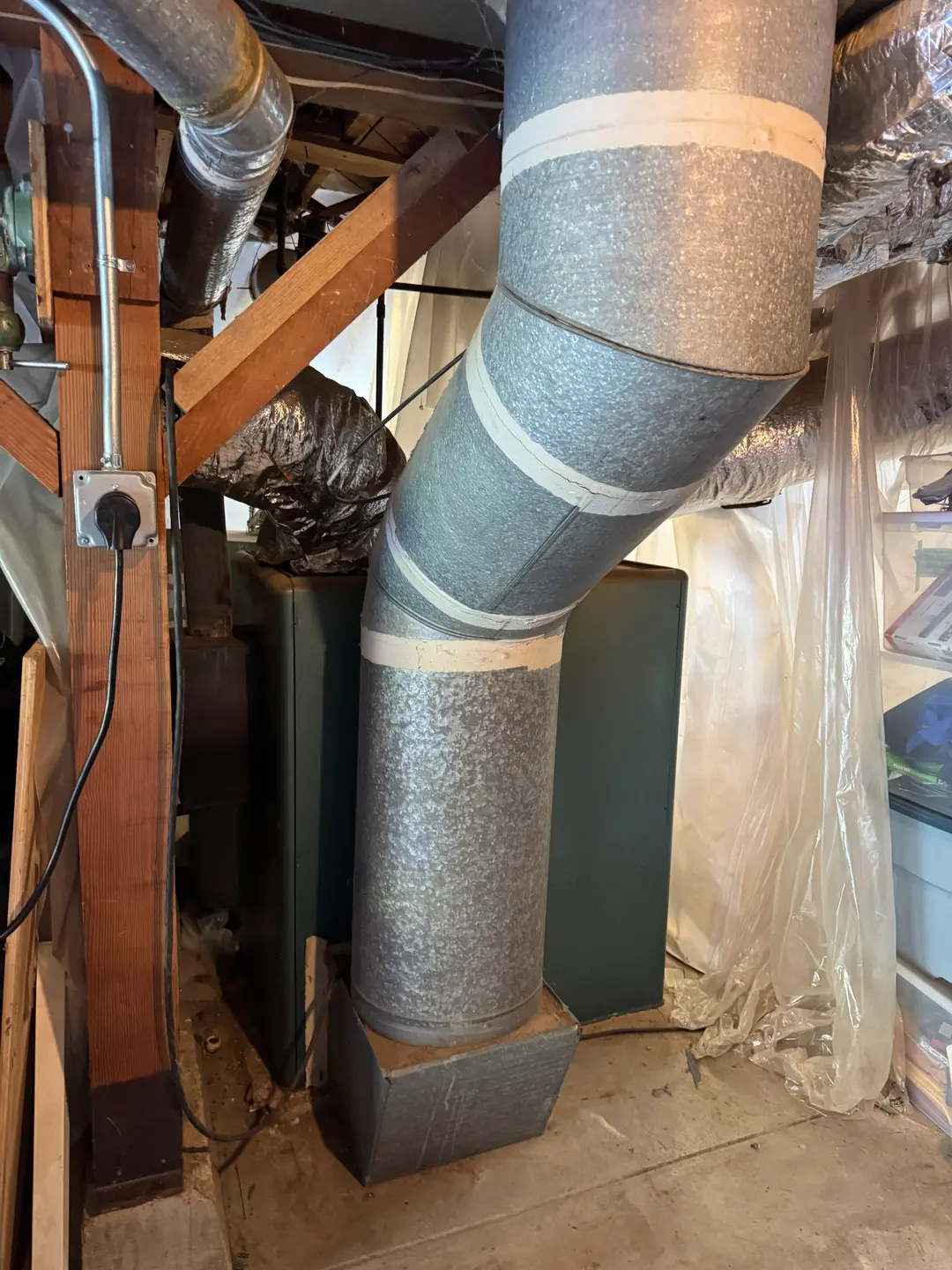
Three things can blow up a AC replacement budget in Beverly Grove: undersized return air, the wrong line-set condition, and unplanned electrical work when the panel turns out to be 100 amps. We catch those at the photo review, not on day two of the install.
What we do not do: keep resetting breakers on a tripping circuit, run water into a backed-up drain, operate HVAC equipment that smells hot or is spilling water, or quote replacement before a real diagnostic. Those shortcuts turn small repairs into bigger damage.
Cost drivers we name in the estimate
For AC replacement in Beverly Grove, the bias should be repair when the equipment is under ten years old, the failure is mechanical (not refrigerant or heat-exchanger), and the scope is contained. Replacement gets the nod when repeat callbacks, refrigerant transition, or incorrect tonnage change the math.
Permit and inspection sequencing
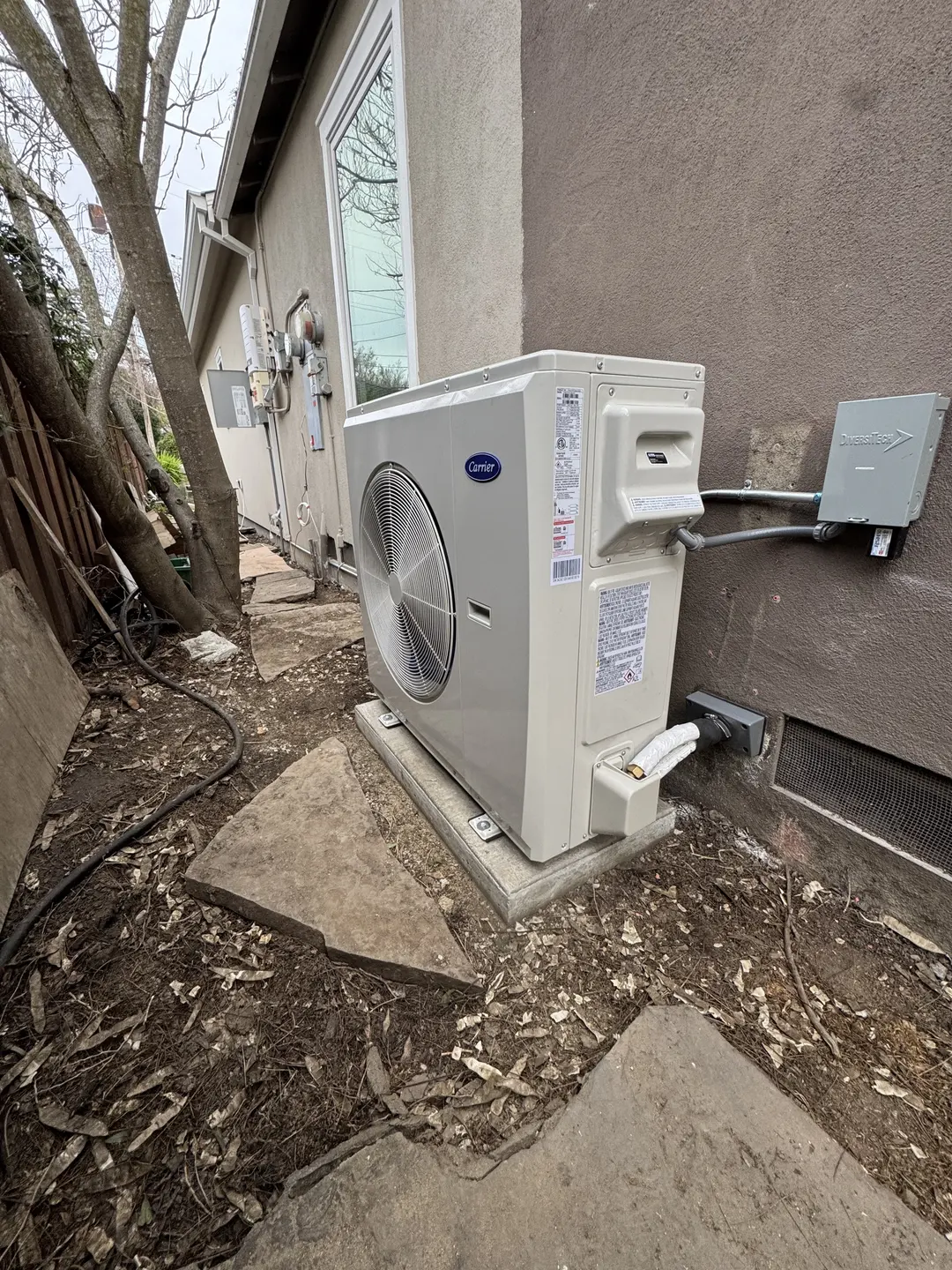
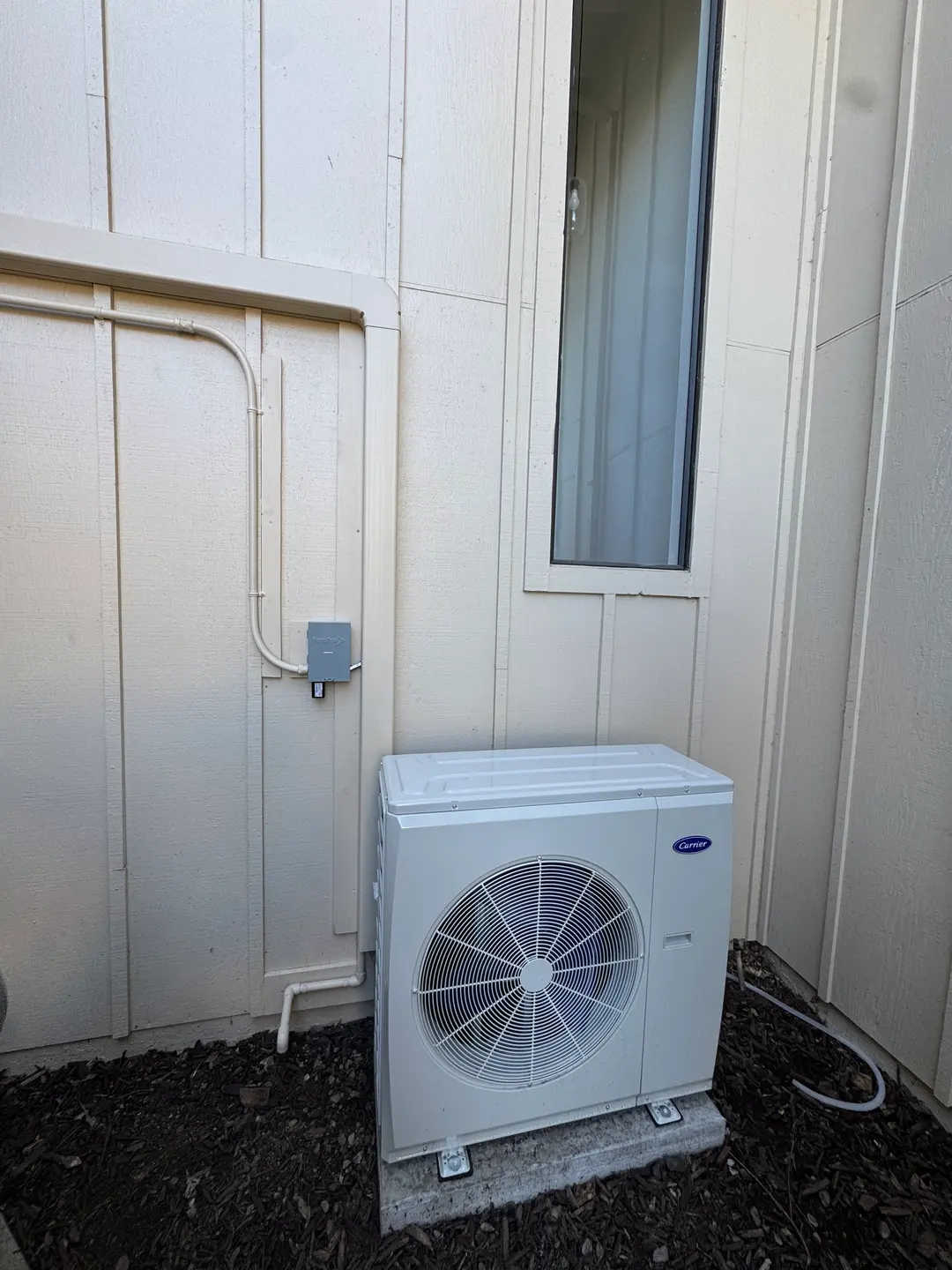
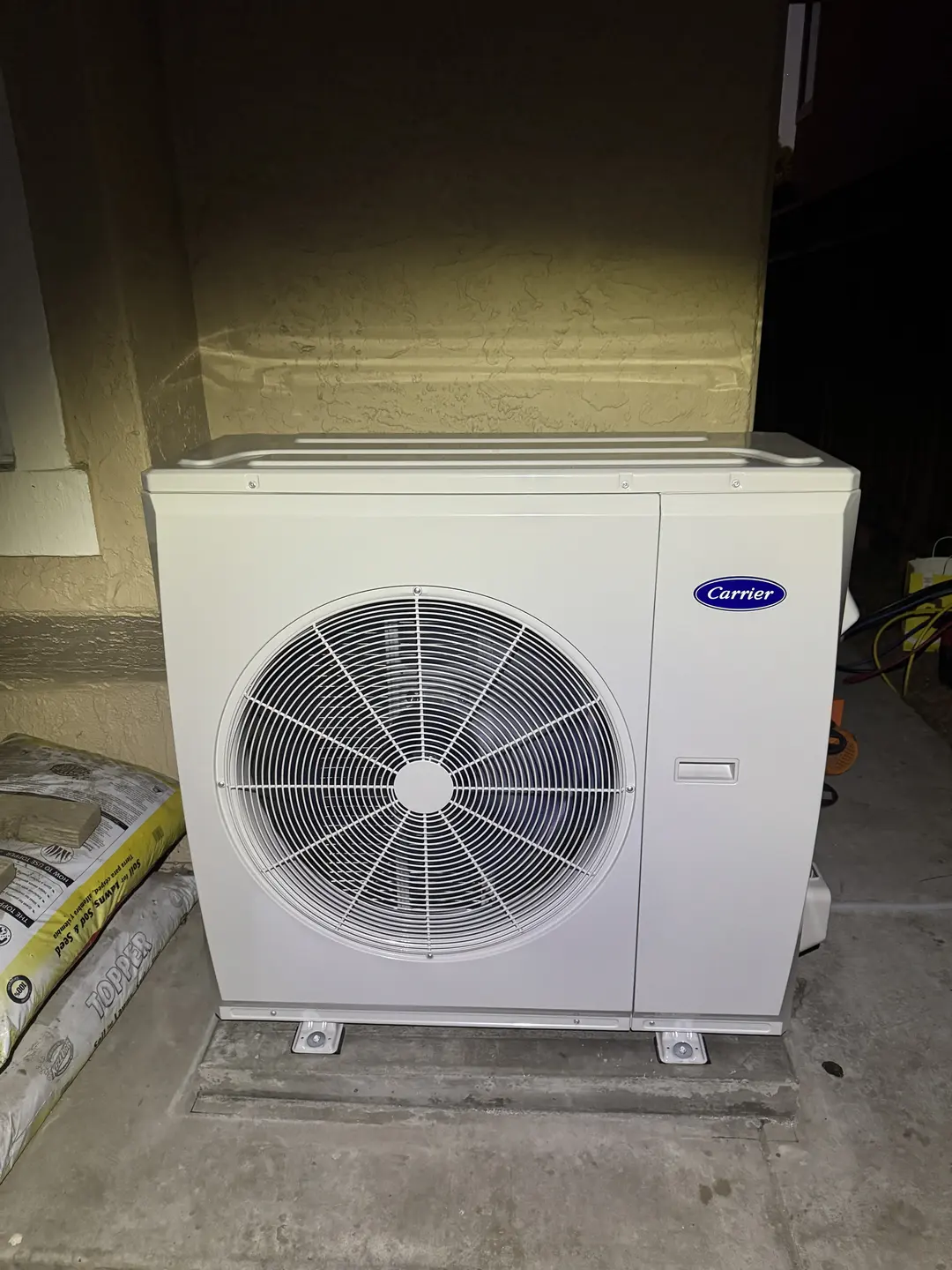
AC replacement may require mechanical permit review, equipment matching documentation, electrical disconnect review, and inspection when equipment, ducts, refrigerant lines, or location changes. For this market specifically: LADBS mechanical, electrical, plumbing, and inspection context often matters for heat pumps, condensers, panel work, EV chargers, water heaters, ductless line sets, rooftop/package equipment, multifamily common areas, and remodel-connected MEP work; nearby Beverly Hills, Culver City, and West Hollywood addresses should be verified separately.
The replacement scope opens with photos and a site walk. We measure static pressure, photograph the panel main breaker, list comfort complaints by room, and confirm whether HOA, estate-manager, or jurisdictional review is going to be in the project critical path. Inspection-day documentation is prepared from day one — AHRI certificate, equipment serial numbers, electrical disconnect routing, condensate plan.
Close-out: documentation, warranty, AHRI certificate
Single most useful prep for a Beverly Grove appointment: a 90-second video walkthrough of the equipment, the panel, and the affected room. Audio is fine. Send it through the booking link or text the photos to +1 (213) 277-6575.