Mid-Wilshire at a glance
Cluster: pico · Type: central LA retrofit corridor with apartments, offices, older homes, and high mechanical complexity.
Anchors: Mid-Wilshire, Wilshire Boulevard, La Brea Avenue, Fairfax Avenue.
Building mix: apartment buildings, condos, older homes, small offices, rooftop/package equipment.
Access constraints: loading zones, roof access, property-manager approvals, tenant notifications, panel-room coordination.
Walking a Mid-Wilshire property before the quote
Mid-Wilshire pages should make the site credible for dense urban retrofit calls near the GMB radius.
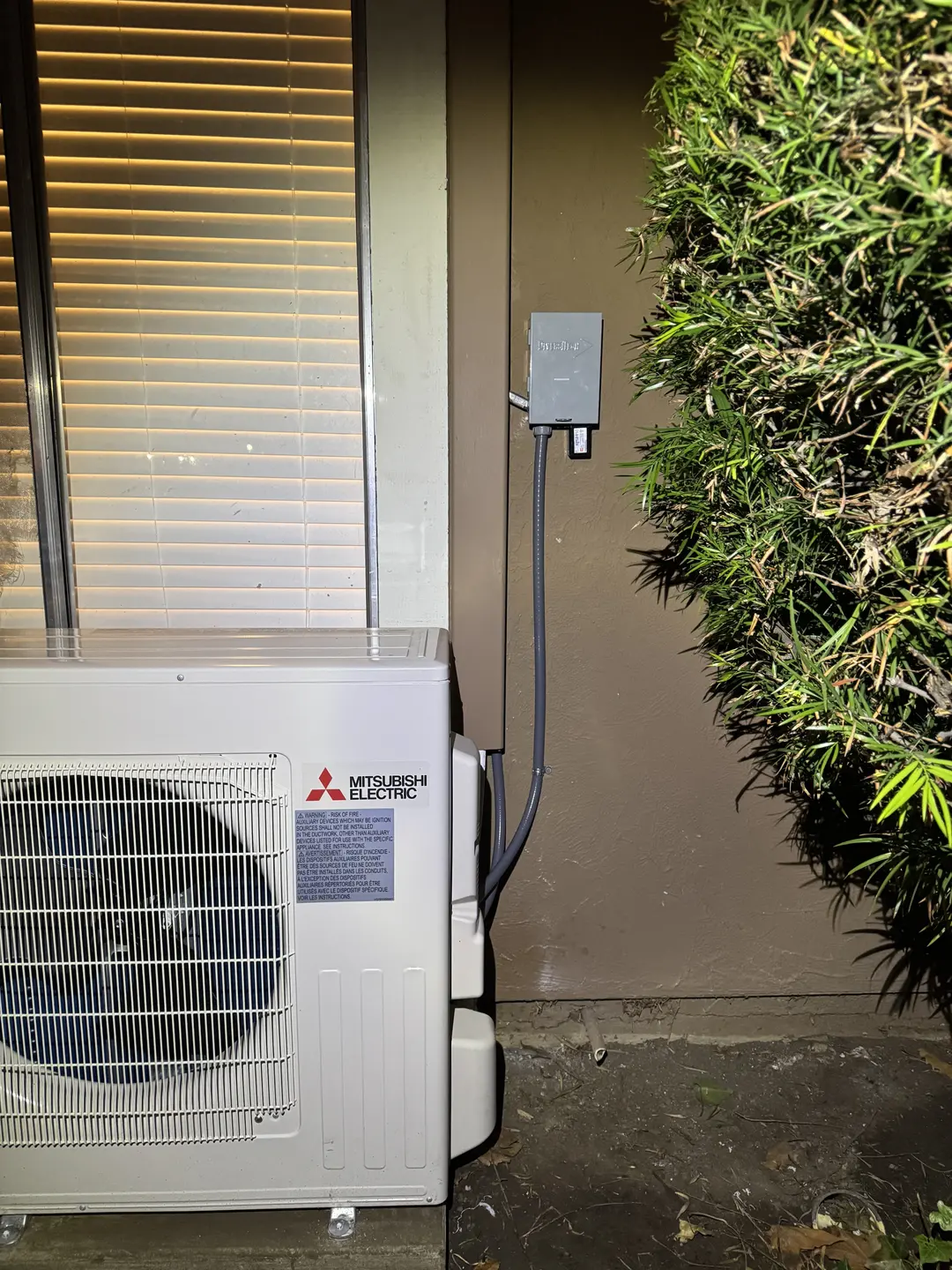
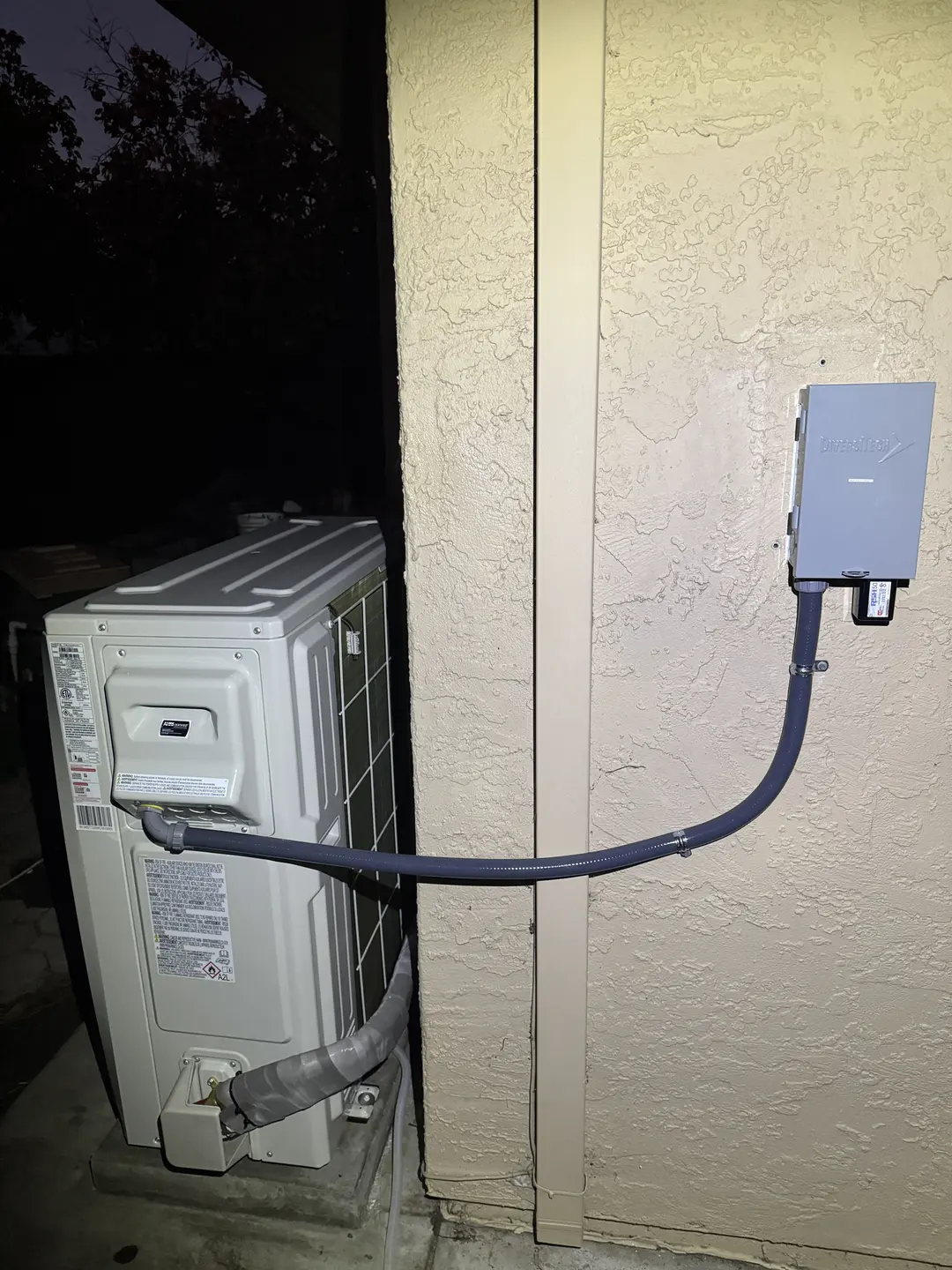
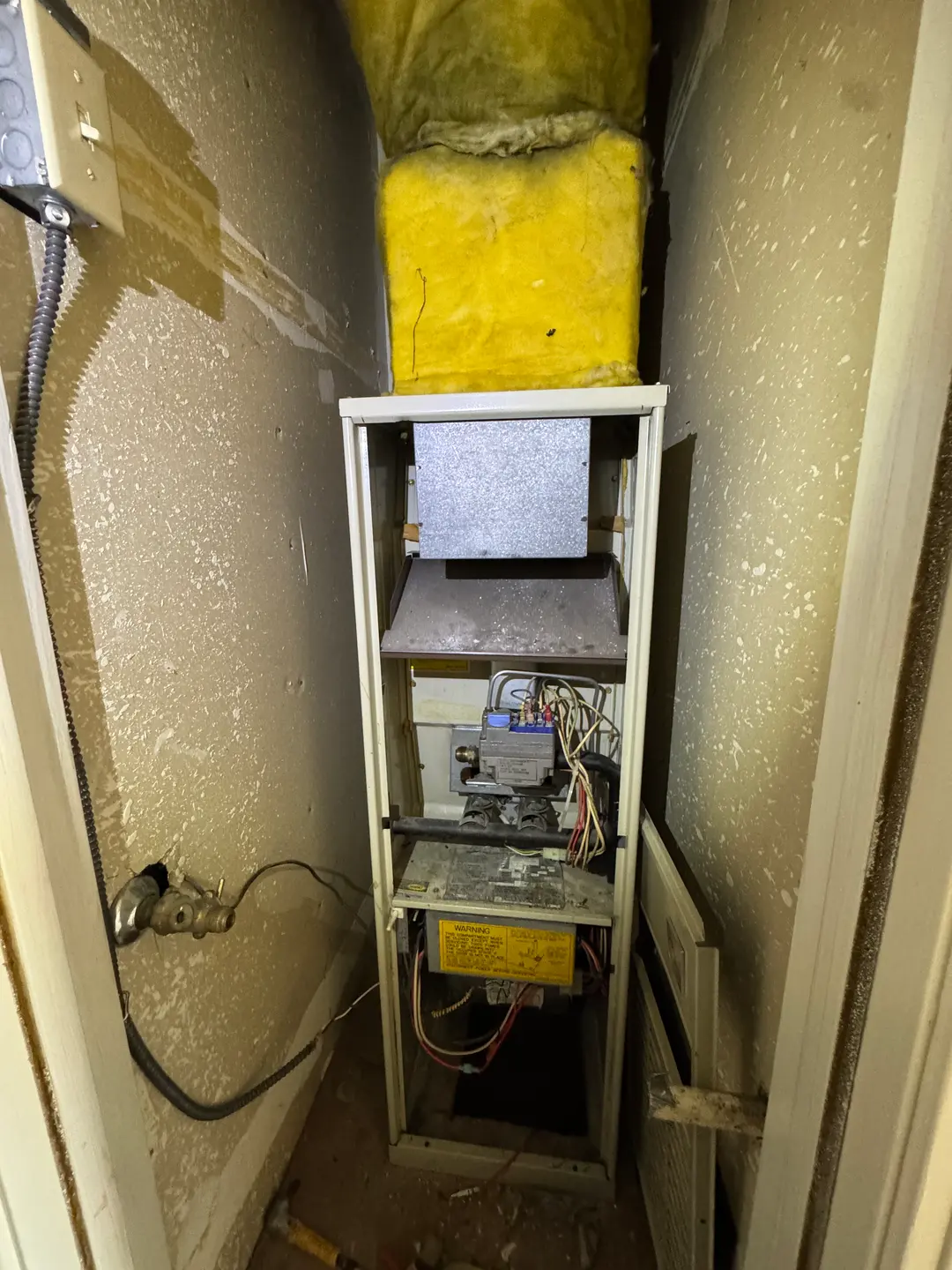
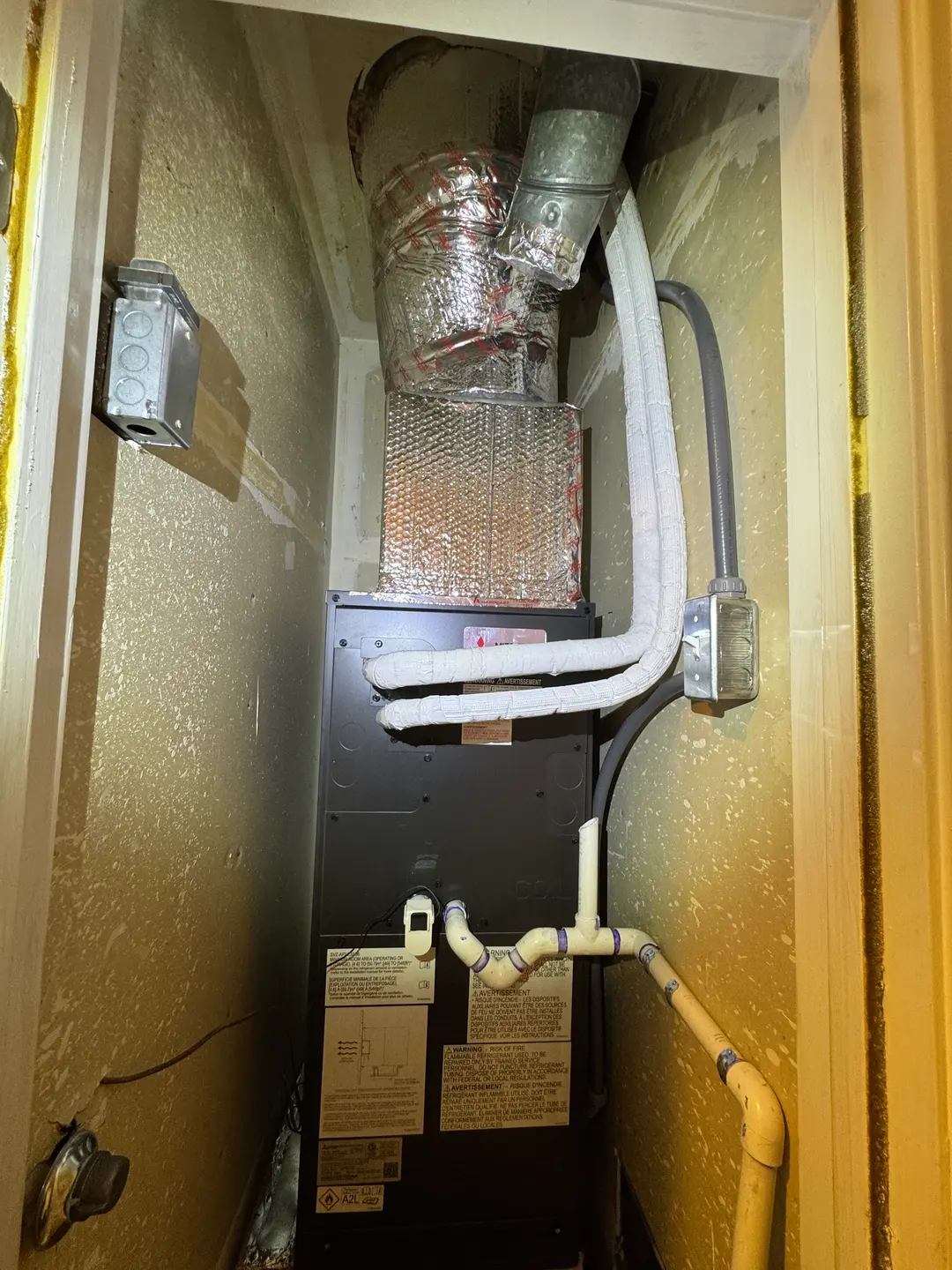
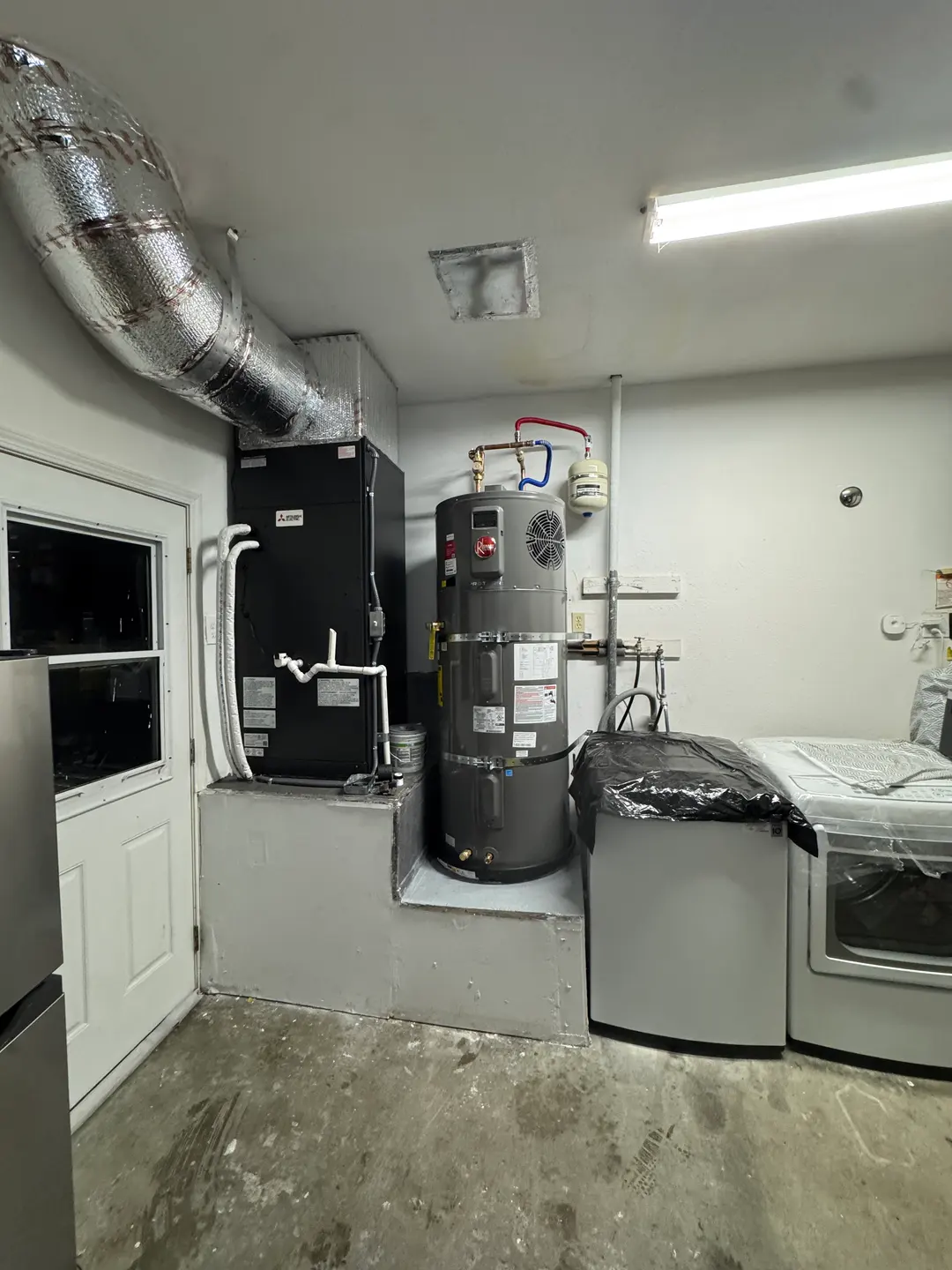
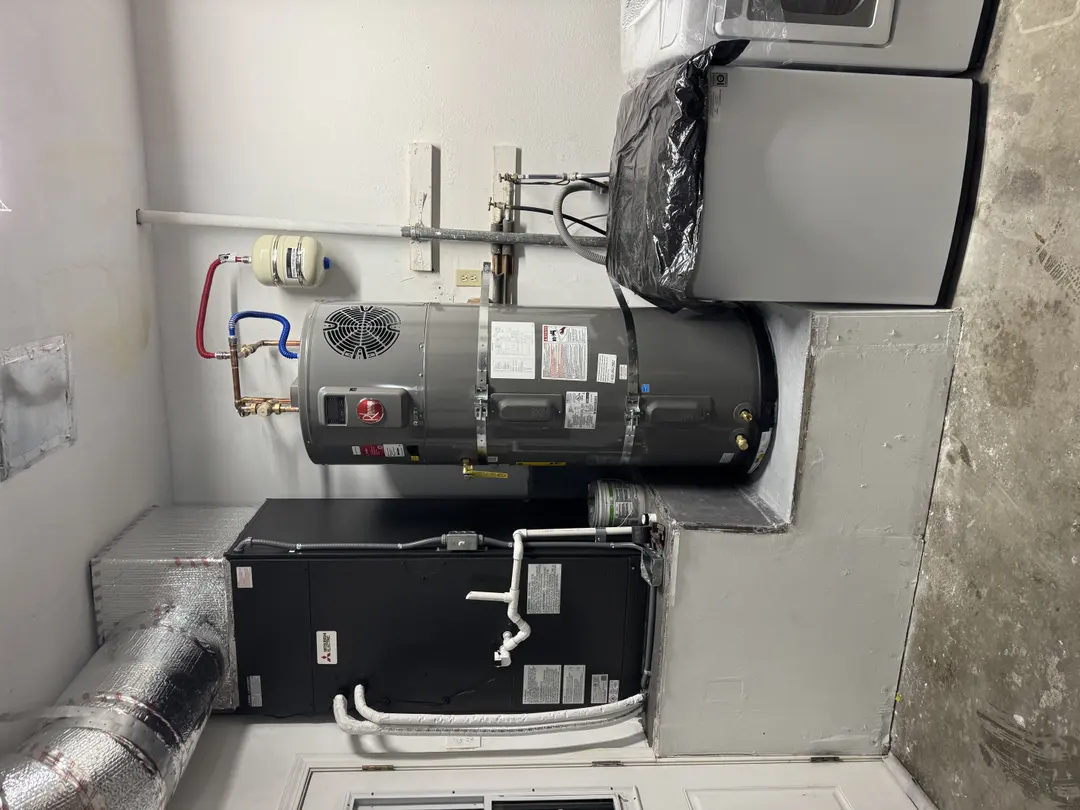
Mid-Wilshire is best treated as a central LA retrofit corridor with apartments, offices, older homes, and high mechanical complexity. Homes around Mid-Wilshire, Wilshire Boulevard, La Brea Avenue, Fairfax Avenue can include apartment buildings, condos, older homes, small offices, rooftop/package equipment. That variety matters because an HVAC, electrical, or plumbing call may involve an older panel, slab foundation, sewer lateral, water heater closet, crawl space, garage conduit path, side-yard condenser, or utility shutoff before the core repair can begin.
The access window that makes installs cheaper
The local utility and permit context decides scope. Pico-Robertson, Carthay, Beverly Grove, Beverlywood, Century City, and Mid-Wilshire addresses are typically City of Los Angeles or nearby incorporated-city addresses; LADWP electric and water, SoCalGas gas-appliance context, SCE edge cases, and Beverly Hills or Culver City boundaries should be verified by exact address For permitting and inspection, the relevant context is LADBS mechanical, electrical, plumbing, and inspection context often matters for heat pumps, condensers, panel work, EV chargers, water heaters, ductless line sets, rooftop/package equipment, multifamily common areas, and remodel-connected MEP work; nearby Beverly Hills, Culver City, and West Hollywood addresses should be verified separately. A simple repair may stay straightforward, but equipment replacement, new circuits, repiping, sewer repair, water-heater replacement, heat pump installation, EV charger work, gas-line work, or remodel-related changes can trigger documentation and inspection steps.
What pre-1975 wiring tells us about the HVAC scope
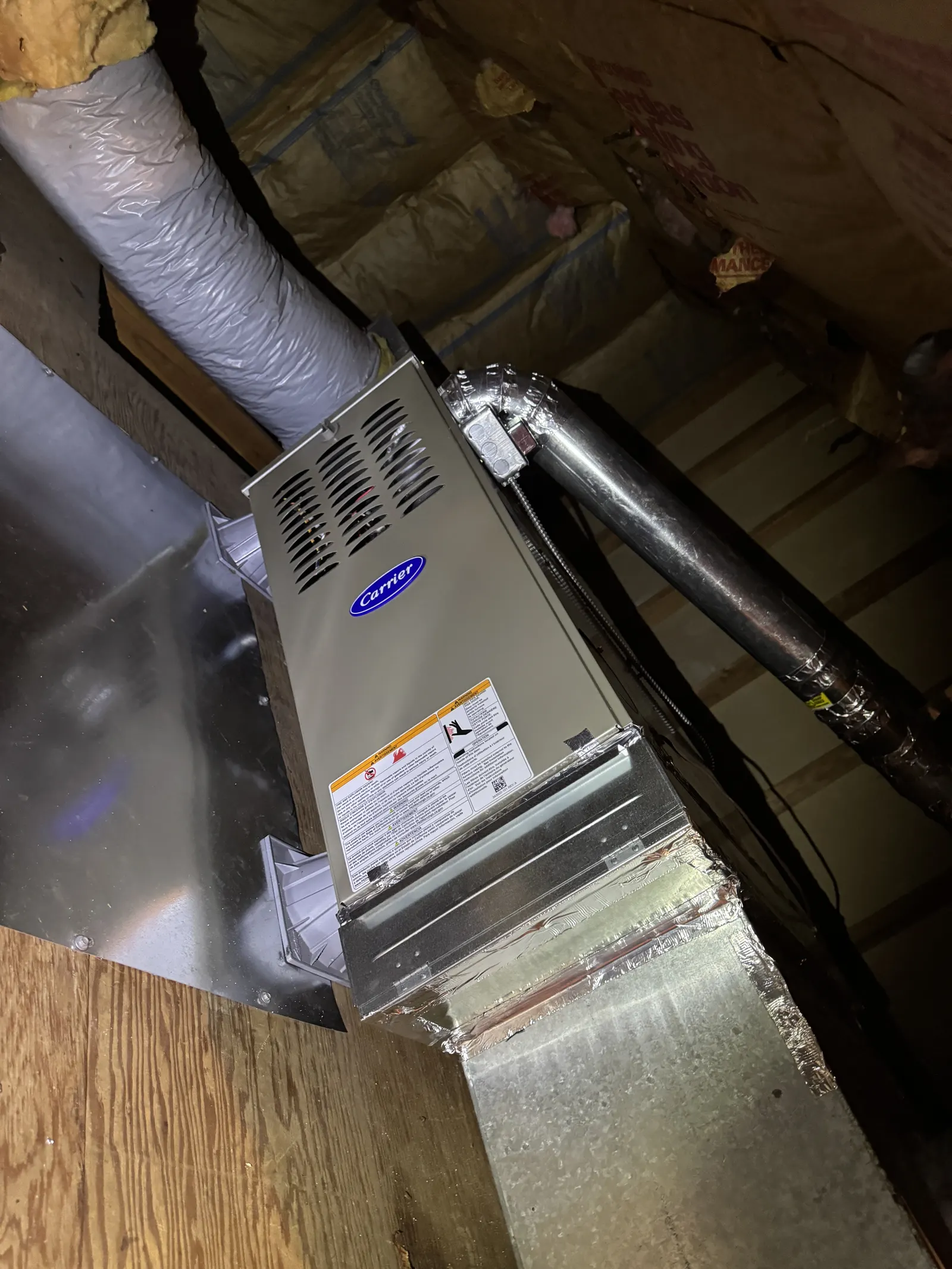
In Mid-Wilshire, the most common service friction includes old panels, rooftop HVAC failures, shared plumbing stacks, water heater closets, drain backups. HVAC calls become more than a thermostat issue when airflow is restricted by old duct design, condensate cannot drain, freeway dust has loaded the condenser coil, or the electrical panel is too tight for a modern heat pump. Electrical calls expand when old panels, ungrounded circuits, overloaded appliance loads, or SCE service planning make a simple device repair into a panel question. Plumbing calls become urgent when a garage water heater leaks, a slab leak moves under flooring, a shutoff fails, or a sewer line is affected by roots or old pipe material.
Static pressure measurements we never skip
Seasonal context matters too: urban heat-island afternoons, older apartment airflow complaints, freeway and boulevard dust, marine-layer mornings, wildfire-smoke filtration demand. During heat events, no-cooling calls can involve vulnerable occupants and overloaded temporary cooling. During wildfire smoke periods, filtration, duct leakage, and fresh-air paths drive urgency. During rain or heavy-use periods, slow drains and sewer odors move from annoyance to backup risk.
Closing the project: documentation and inspection
Prepare for loading zones, roof access, property-manager approvals, tenant notifications, panel-room coordination. If a landlord, tenant, utility, city inspector, garage access, or shutoff location must be involved, solve that before the service window so the visit does not become an access-only trip. Replacement scope is sequenced around access constraints, not the other way around.