

Quick answer: when Lennox belongs in the conversation
Best when the homeowner wants high-end comfort performance, smart controls, and careful noise planning. That does not mean the project should start with a model number. In premium HVAC work, the house tells the truth first. A Westside home may have beautiful finishes and terrible return air. It may have a promising old condenser location that is too noisy for the property line. It may have enough visual space for outdoor equipment but not enough panel capacity for a heat pump. It may have an attic that looks accessible in photos but is too tight for proper duct transitions. The brand matters, but the installation conditions decide whether that brand can deliver comfort.
Lennox should be compared against the actual problem: hot upper floors, poor airflow, bedroom zoning, coastal corrosion, old ducts, sound sensitivity, energy-code questions, rebate verification, and whether electrical or plumbing support must happen first. A premium quote should explain the match. It should describe the equipment family, why it fits the home, what must be modified, what could go wrong, and which official or manufacturer documentation should be checked before work starts.
Best first move
Send photos of the existing condenser, indoor unit, thermostat, duct access, electrical panel, and proposed equipment location. Add the city or neighborhood, comfort complaints by room, brand preference, noise concerns, and any HOA, gate, estate-manager, or city inspection rules.
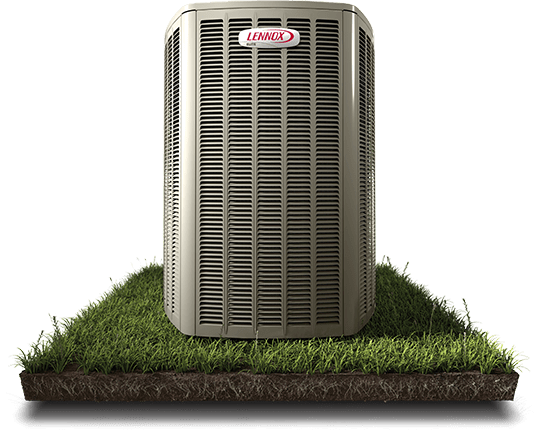
What can make a brand-name installation fail
A strong brand cannot rescue poor installation. High static pressure can make a premium air handler noisy and inefficient. Leaky ducts can waste capacity before conditioned air reaches the room. Undersized returns can shorten equipment life. A line set with poor routing can create oil return or aesthetic problems. A condenser placed near a bedroom, neighbor, or reflective wall can create a sound complaint. A coastal outdoor unit installed without corrosion-aware placement can age faster. A panel that cannot support the new load can delay the project or force a redesign after equipment is already selected.
That is why this page treats Lennox as one part of a system design. The right process is diagnosis, design, documentation, then installation. For Westside LA homes, the documentation may include model numbers, AHRI match verification where applicable, permit notes, equipment dimensions, line-set route, electrical disconnect or circuit notes, condensate path, screening or sound notes, and inspection expectations. The homeowner should see the reasoning before approving the project.
Brand-specific planning questions
- Does Lennox fit the home's central ductwork, ductless zoning goals, or mixed system strategy?
- Does the outdoor unit location work for sound, airflow, service access, screening, and property-line expectations?
- Does the electrical panel have capacity for the proposed heat pump, air handler, controls, EV charger, and future electrification?
- Does the project need duct repair, return-air work, zoning controls, thermostat changes, or condensate safety upgrades?
- Does the home's city, canyon, coastal, HOA, or estate access profile change the timeline or permit path?